Paris is one of the most visited cities in the world, and for good reason. World-class art, beautiful architecture, excellent food and a riverside setting make it an easy city to love. A first visit can also feel overwhelming, though, with so many famous sights competing for your time. This guide covers where to stay, what to see, how to get around and practical tips to help you enjoy Paris like a confident traveler.
How Many Days Do You Need in Paris?
Four to five days is ideal for a first visit. That gives you time to see the major landmarks, visit one or two big museums, explore a few neighborhoods at a relaxed pace and possibly take a day trip to Versailles. If you only have two or three days, focus on one area of the city each day to avoid spending too much time in transit.
Best Areas to Stay in Paris
Paris is divided into 20 districts called arrondissements, spiraling outward from the center. For first-time visitors, staying centrally saves time and makes it easy to return to your hotel during the day.
- Le Marais (3rd and 4th): historic streets, boutiques, cafés and a lively atmosphere.
- Saint-Germain-des-Prés (6th): classic Left Bank charm, elegant and central.
- Latin Quarter (5th): good value, near Notre-Dame and the Seine.
- 7th arrondissement: quiet and close to the Eiffel Tower, but fewer evening options.
- Opéra and Grands Boulevards (9th): excellent transport links and department stores.
Compare rates across neighborhoods on SkylineSparrow hotels to find a stay that fits your budget.
Top Things to Do in Paris
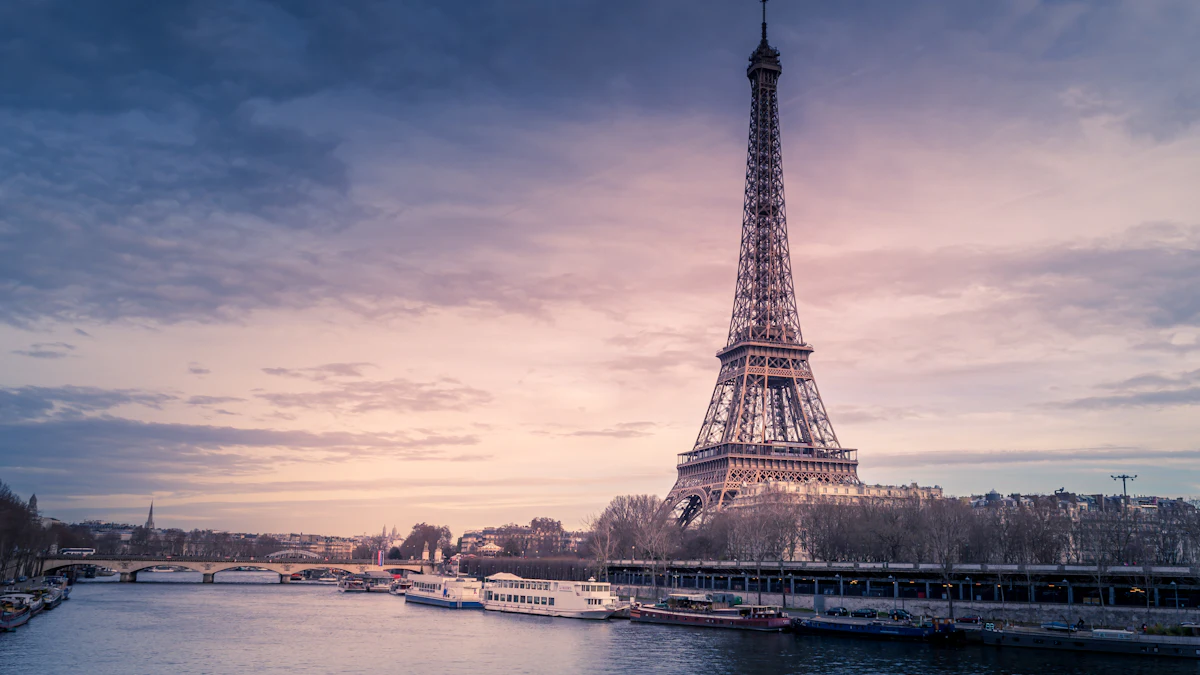
Eiffel Tower
Book timed tickets online well in advance, especially for the summit. For the best photos of the tower itself, visit the Trocadéro gardens at sunrise or watch it sparkle on the hour after dark.
The Louvre
The world's largest art museum can take days to explore. Reserve a timed entry, pick a few highlights such as the Mona Lisa, the Winged Victory of Samothrace and the Venus de Milo, and accept that you cannot see everything. The museum is closed on Tuesdays.
Musée d'Orsay
Housed in a former railway station, the Orsay holds the world's finest collection of Impressionist art, including works by Monet, Renoir and Van Gogh. It is more manageable in size than the Louvre and a favorite of many visitors.
Notre-Dame and Île de la Cité
The restored Notre-Dame Cathedral reopened in December 2024. Nearby, Sainte-Chapelle is famous for its breathtaking stained-glass windows, which are at their brightest on a sunny morning.
Montmartre
Climb the hill to the Sacré-Cœur Basilica for sweeping city views, then wander the village-like streets where artists once gathered. Go early in the day to avoid the busiest crowds.
A Seine River Cruise
A one-hour boat cruise is a relaxing way to see many landmarks in a single trip. Sunset and evening cruises are especially memorable.
Day Trips From Paris
- Palace of Versailles: about 40 minutes by RER train. Avoid Mondays, when the palace is closed.
- Giverny: Claude Monet's house and gardens, open from spring to autumn.
- Champagne region: Reims and Épernay are reachable by high-speed train.
Getting Around Paris
The Paris Métro is fast, frequent and reaches almost everywhere you will want to go. Buy tickets using a rechargeable Navigo Easy card or the official transit app on your phone. Paris is also a wonderful walking city, and many central sights are closer together than they appear on a map.
From Charles de Gaulle Airport, the RER B train connects to central Paris in roughly 35 to 45 minutes. Taxis charge a fixed fare to the city center, which can be convenient with heavy luggage.
Money-Saving Tips for Paris
- Consider the Paris Museum Pass if you plan to visit several museums in a few days.
- Many national museums offer free entry on the first Sunday of certain months, though they are very busy.
- Order the formule (set menu) at lunch, which is usually much cheaper than dinner.
- Ask for a carafe d'eau: tap water in restaurants is free.
- Picnic along the Seine or in the Luxembourg Gardens with bread, cheese and fruit from a local market.
Practical Tips
- Say "Bonjour" when entering shops and restaurants. It is considered polite and makes a real difference.
- Be alert to pickpockets on the Métro and around major landmarks.
- Service is included in restaurant bills. Leaving small change for good service is appreciated but not required.
- Many small shops close on Sundays, and some restaurants close in August.
Frequently Asked Questions
When is the best time to visit Paris?
April to June and September to October offer pleasant weather and fewer crowds than summer. See our best time to visit Europe guide for details.
Is Paris expensive to visit?
Paris can be expensive, but careful choices such as set-menu lunches, public transport and free attractions make it manageable on a moderate budget.
Can I travel from Paris to London by train?
Yes. The Eurostar connects Paris Gare du Nord and London St Pancras in a little over two hours. Read our London travel guide to plan the next leg.
Plan Your Paris Trip
Paris is a city you can return to again and again, discovering something new each time. Compare flights to Paris and hotel deals with SkylineSparrow, and start planning your first unforgettable trip to the City of Light.